
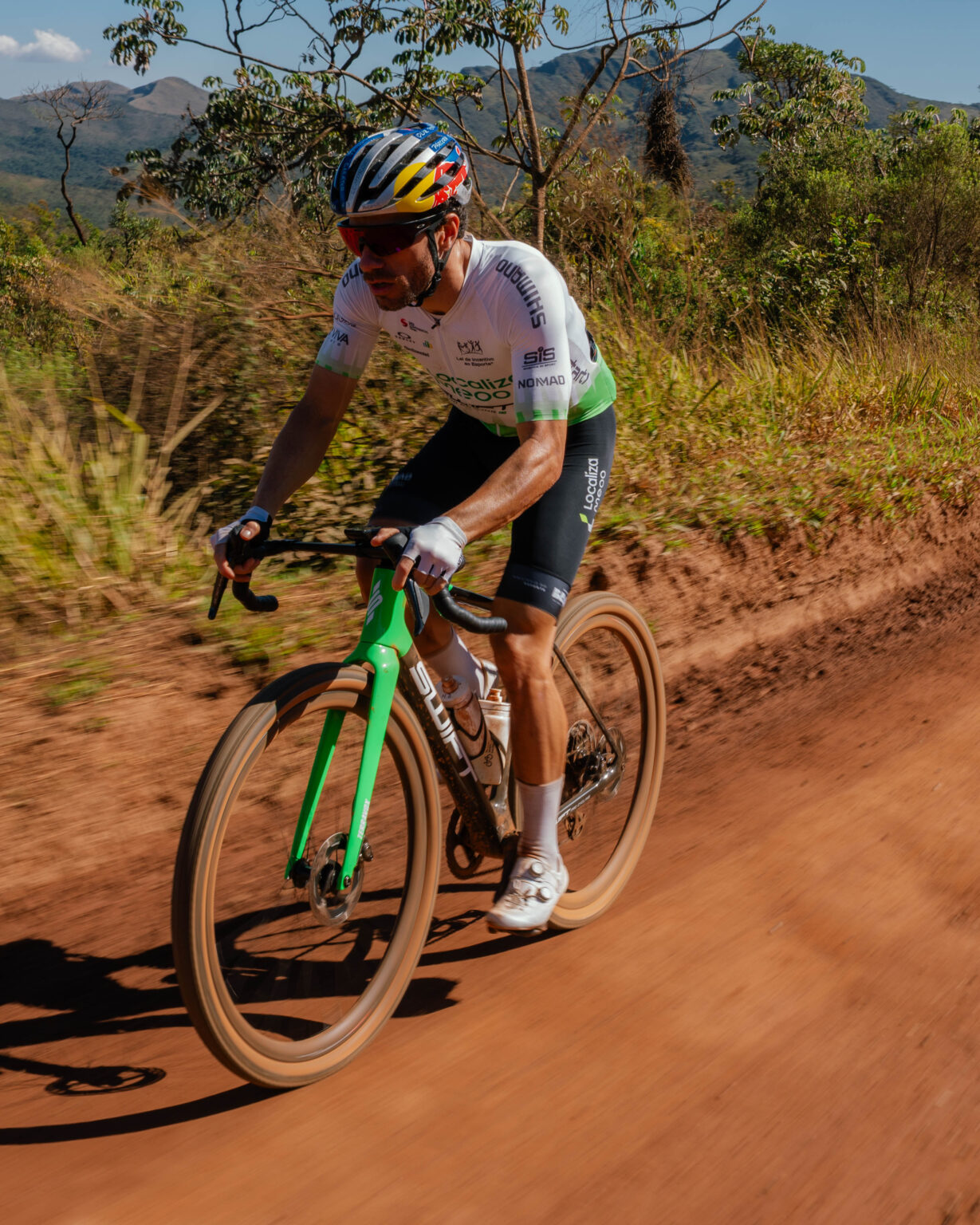
Henrique Avancini Is Coming to South Africa—and He Wants to Conquer the Karoo
Brazil’s greatest mountain biker has a new obsession, and it’s about to collide with one of the toughest gravel races on the planet.
There are certain names in mountain biking that instantly command attention.
Henrique Avancini is one of them.
For more than a decade, the Brazilian superstar thrilled fans with explosive attacks, fearless descending and a relentless racing style that helped redefine what South American mountain biking could achieve. A two-time UCI Mountain Bike Marathon World Champion, Brazil’s first-ever UCI World Cup winner and one of the most charismatic riders the sport has produced, Avancini has already left an unforgettable mark on mountain biking.
Now, he’s coming back to South Africa.
But this time, he isn’t chasing Cape Epic glory.
He’s chasing something far wilder.
From 25 to 31 October 2026, Avancini will line up at Nedbank Gravel Burn, taking on the unforgiving 750-kilometre crossing of the Great Karoo from Graaff-Reinet to Shamwari Private Game Reserve. It will be his first encounter with one of South Africa’s most iconic landscapes—and perhaps the biggest test yet of his rapidly developing gravel career.
From World Cup Winner to Gravel Specialist
Many retired cross-country stars drift into gravel racing.
Avancini is attacking it.
His transition has been anything but casual.
In March, he won UCI Gravel Brazil. Four months later, he added the inaugural Campeonato Brasileiro de Gravel, conquering a brutal 96km course featuring nearly 3,000 metres of climbing through the Serra do Gandarela in Minas Gerais.
Those victories weren’t nostalgia wins.
They were statements.
At 36 years old, Avancini is proving that elite mountain biking skills remain one of the greatest foundations for success in gravel racing. Technical handling, race intelligence and the ability to suffer for hours are becoming increasingly valuable as gravel events evolve into multi-day endurance battles rather than simple road races on dirt.
Nedbank Gravel Burn is exactly that kind of race.
South Africa Has Always Brought Out the Best in Avancini
Few international riders have built such a close relationship with South African racing.
Long before gravel became fashionable, Avancini was a regular contender at the Absa Cape Epic, collecting stage victories and multiple podium finishes while earning the admiration of South African fans.
His aggressive style made him impossible to ignore.
Whether attacking climbs or threading through technical singletrack, Avancini always raced with emotion—a quality that made him one of the sport’s biggest crowd favourites.
That history makes his return feel significant.
Only this time, instead of battling through Western Cape mountains, he’ll be navigating endless gravel roads, vast open plains and some of the most remote terrain South Africa has to offer.
A Landscape Unlike Anywhere Else
For riders accustomed to forests and alpine mountains, the Karoo can be intimidating.
It is vast.
It is exposed.
It rewards patience as much as power.
For seven days, competitors will cross isolated gravel roads where temperatures can fluctuate dramatically, headwinds can destroy race plans and mechanical mistakes become costly.
That uncertainty is exactly what attracted Avancini.
He describes the Karoo as looking “nice and wild”—a place offering both an immense sporting challenge and an unforgettable life experience.
Unlike many gravel races that focus purely on competition, Nedbank Gravel Burn blends elite racing with adventure.
Professional riders and amateurs share the same Burn Camps each evening, swapping stories beneath enormous African skies before another demanding day in the saddle.
For Avancini, that combination is part of the appeal.
“This really offers you a personal life experience but it’s also a great platform to race with top riders in the pro field and also hang out in the evenings with amateur riders,” he said.
It’s a reminder that gravel racing continues to blur the lines between world-class competition and adventure travel.
Another South African Connection
Interestingly, Avancini’s equipment also strengthens his South African ties.
He races for Swift Bikes, a Brazilian-owned company headquartered in Belo Horizonte but founded by a South African. Many of the bikes remain designed around the kind of rugged terrain that South African riders know so well.
It is a fitting partnership.
The same engineering philosophy developed for rough South African riding will now be tested across one of the country’s toughest gravel events.
More Than One Rider
Perhaps the most intriguing part of Avancini’s announcement wasn’t his own ambitions.
It was his prediction.
He believes Brazil is only beginning to discover South African gravel racing.
“I’m looking forward to coming back home with memories and stories,” he said before adding that he expects to be only the first Brazilian to make the journey.
“In the near future we’re gonna bring some noise to the camp.”
Considering Brazil’s booming cycling community and growing gravel scene, that could become one of Gravel Burn’s biggest international success stories.
The Race Just Got Even Better
Race founder Kevin Vermaak believes Avancini’s arrival could help introduce one of the world’s fastest-growing cycling nations to South African gravel racing.
Brazil has one of the largest and most passionate mountain biking communities anywhere in the world. Having its biggest cycling icon on the start line immediately raises the event’s global profile.
More importantly, it raises the level of competition.
Avancini is not travelling halfway across the world simply to experience the scenery.
He is coming to win.
And if his recent gravel form is anything to go by, every rider hoping to stand on the top step at Shamwari will need to be ready for one of mountain biking’s fiercest competitors.
Why MTB Riders Should Be Watching
For mountain bikers, Avancini’s entry is about more than another big-name signing.
It reflects a growing trend that is reshaping off-road cycling worldwide.
Many of the sport’s greatest mountain bikers are no longer viewing gravel as a retirement destination. They’re treating it as the next frontier—one where technical ability, endurance and tactical intelligence remain decisive advantages.
If one of mountain biking’s greatest champions believes South Africa’s toughest gravel race deserves a place on his calendar, perhaps it’s time the rest of us started paying closer attention too.