
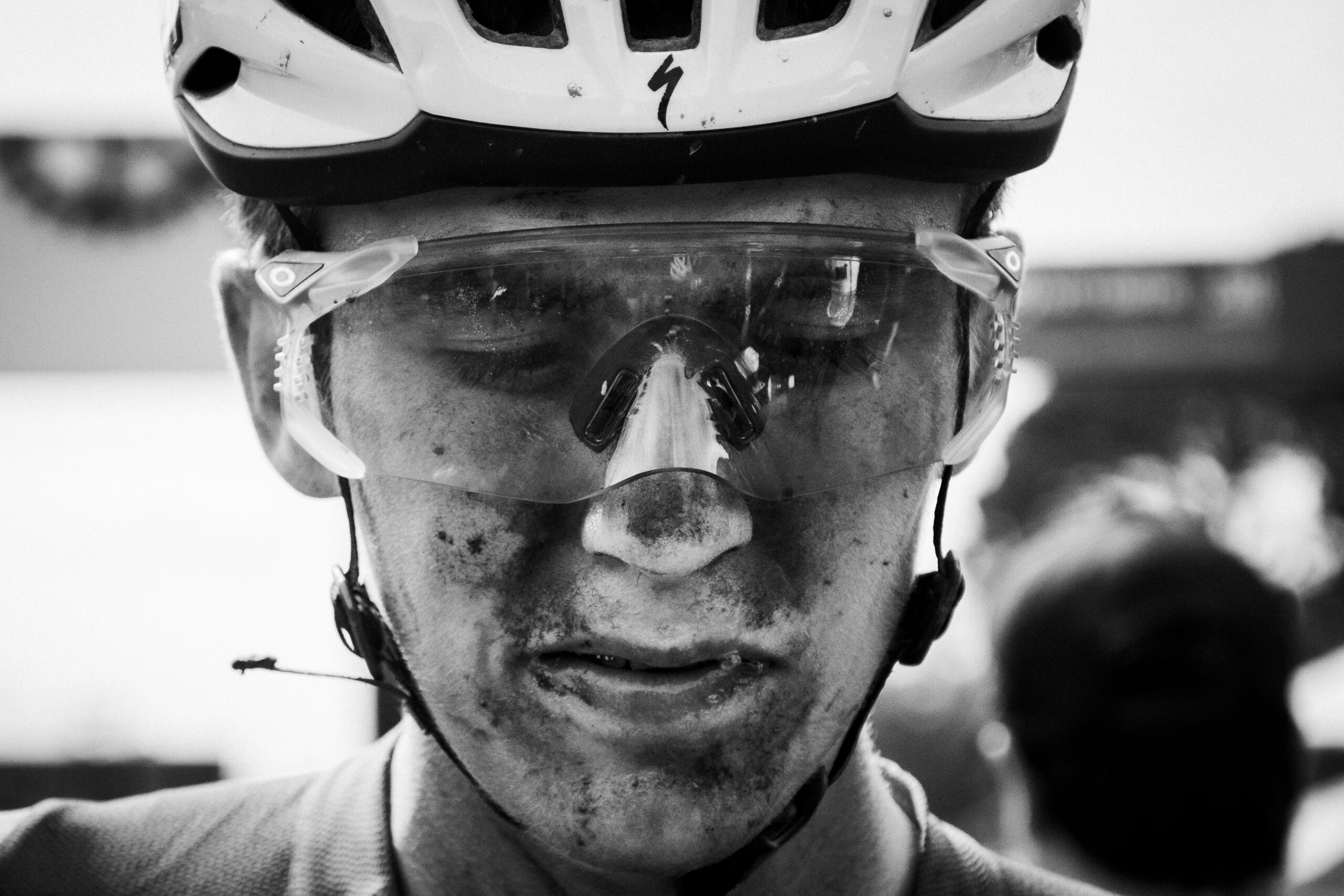
From Hero to Survival Mode: The Cape Epic Hits Its Brutal Turning Point
By the time the race hits its halfway mark at the Absa Cape Epic, the mood has shifted. What began with nervous excitement and fresh legs has hardened into something far more raw, far more honest. This is where the race stops pretending.
The Race Finds Its Truth
The first few days are always a blur — adrenaline, dust, and ambition. Riders still believe in their plans. Nutrition strategies are followed. Pacing is controlled. Teammates speak in full sentences. But by Stage 3 into Stage 4, the Cape Epic starts to reveal its true nature. The longest stage from Montagu to Greyton cracked the field open. It wasn’t just the distance — over 130km — it was the accumulation. Fatigue layered on fatigue. Small mistakes became race-defining. Marc Pritzen and Felix Stehli seized that moment, launching a bold move and holding it to the line, a reminder that bravery still has a place in modern stage racing.
Behind them, the bigger story was unfolding: the reshuffling of power. The Italian duo Luca Braidot and Simone Avondetto quietly stepped into yellow, taking control of the general classification as others began to falter.
Cracks in the Armour
By Stage 4, the race had changed tone completely. What looked controlled on paper turned chaotic on the ground. Crashes. Mechanical pressure. Teams disappearing from contention in seconds. The Cape Epic has a way of turning certainty into fragility. On a dramatic day into Greyton, Kate Courtney and Greta Seiwald finally broke through, claiming their first stage win in a tense sprint after days of chasing.
But even that victory came wrapped in chaos — crashes in both races reshaped the outcome, a reminder that at the Epic, control is always temporary. In the men’s race, Sam Gaze and Luca Schwarzbauer capitalised on that same unpredictability, taking another stage win and climbing back into contention.
The Shape of the Race at Halfway
At the midpoint, the storylines are no longer theoretical — they are carved into tired legs and time gaps.
Men’s Race:
- Luca Braidot / Simone Avondetto hold the overall lead, but it’s fragile — just over a minute separates them from Matthew Beers and Tristan Nortje.
- Sam Gaze / Luca Schwarzbauer are rising, already multiple stage winners and now within striking distance.
Women’s Race:
- Candice Lill and Alessandra Keller have been the dominant force, building a meaningful buffer through consistency and control.
- But the psychological tide may be turning after Kate Courtney / Greta Seiwald finally found a way to win.
The Real Battle Begins Now
Halfway doesn’t mean relief. It means exposure.
This is the point where:
- Niggles become injuries
- Gaps become insurmountable — or irrelevant
- Partnerships are tested under real strain
The body is no longer fresh enough to respond instinctively. Every acceleration is a decision. Every climb is negotiated. Every descent carries risk. And mentally, riders begin to do the math. Four days down. Four to go.
But the looming presence of Stage 5 — the Queen Stage — hangs over the race like a storm cloud. It’s designed to break what remains: long climbs, accumulated fatigue, and no place to hide.
The Feeling in the Field
If you stood at a water point now, you’d notice the difference. Early in the week, riders arrive chatting, almost relaxed. Now:
- Faces are hollow
- Conversations are short
- Movements are deliberate
Teammates don’t ask “how are you feeling?” anymore. They already know.
A Race Reduced to Essentials
At halfway, the Cape Epic strips everything away. There’s no more pretending about form or tactics. The race becomes brutally simple:
- Can you recover?
- Can you stay upright?
- Can you keep your partner moving forward?
Because from here, the winners aren’t just the strongest. They’re the ones who can survive what’s still coming.