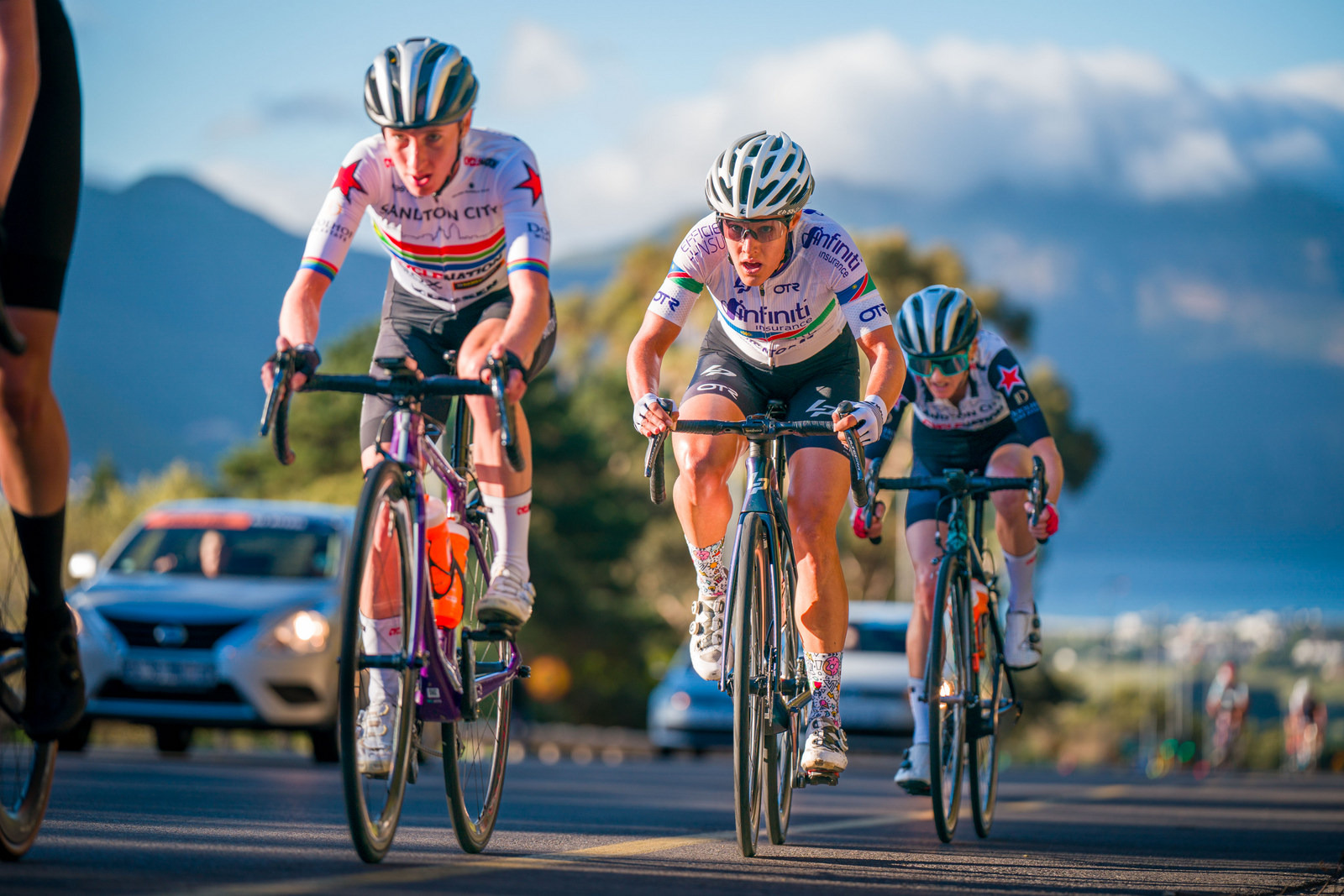
Gravel racing has long been the rebellious cousin of road cycling—untamed, unscripted, and deeply rooted in the spirit of adventure. Traditionally, it has thrived on its grassroots ethos, an environment where independent riders and thrill-seekers define the experience rather than teams and sponsors. But with recent developments—such as the announcement of two gravel stage races in South Africa, Castelli launching a gravel team and the expansion of the Gravel Earth Series including a prize purse of €37,500 (ZAR 723 000) and including 26 events in 16 countries. The landscape is shifting, and the sport is at a fascinating crossroads. Gravel racing, once a fringe discipline celebrated for its laid-back vibe and sense of community, stands at a crossroads. Traditionally, it has been a haven for individual riders and off-road specialists, free from the rigid structures and financial pressures of professional road racing. However, recent developments are prompting questions about the future of the sport and whether it can maintain its unique identity.
The Spirit of Gravel: Can It Survive Growth?
For years, gravel racing has been the antidote to the corporate, overly structured world of professional road racing. Is this the beginning of gravel’s transformation into a team-driven, commercially backed sport? Or is it just another chapter in its evolution, where freedom and strategy can coexist? The beauty of gravel racing has always been its refusal to fit into a single mold. One thing is clear: technology will play a role. Gravel-specific bike designs continue to push boundaries—lighter frames, better suspension, tubeless tires that can take a beating. Some fear this might turn gravel into another arms race, where only those with the best gear can compete. Others see it as part of the natural progression of any growing sport. And let’s not forget virtual racing—will gravel find its place in the digital world, just as Zwift has done for road cycling?
Then there’s the question of inclusion. Will gravel’s independent, all-welcome culture hold up as money flows in? Could it become an Olympic sport one day, or will it remain an underground favourite? What about regional specializations—will we see European gravel racing evolve differently from North American or African formats?
Emerging Trends and Shifting Dynamics
The Rise of Stage Racing: The announcement of two gravel stage races Gravel Burn and Garden Route Giro, in South Africa signals a potential shift in the format of gravel events. Stage racing, common in other cycling disciplines, introduces new challenges and opportunities for riders and organizers alike.
The Advent of Gravel Teams: Castelli’s recent launch of a gravel team, albeit with the caveat that riders won’t race as a unit, marks a significant step towards team involvement in the sport. While brands like Specialized and Allied Bikes have sponsored individual riders, the formation of dedicated gravel teams could reshape the competitive landscape.
Influence of Professional Cyclists: More professional bike racers from road and mountain biking are joining gravel racing, which is changing the sport. Some are coming directly in as gravel professionals, some are leaving other disciplines, and some are “retiring” right into professional gravel racing.
Questions for the Future
Will gravel racing retain its spirit of inclusivity and fun amidst increasing competition? As more professional cyclists enter the arena, there’s a risk that the emphasis on participation and community could be overshadowed by a focus on winning.
How will the increasing financial demands of gravel racing affect accessibility? The rising costs of travel, equipment, and entry fees could create barriers for riders who lack the resources to compete at the highest level.
Will gravel racing embrace sustainable practices and environmental responsibility? With a growing emphasis on sustainability, the gravel community has an opportunity to promote eco-friendly events and practices.
Will gravel events adapt to ensure rider safety without compromising the spirit of adventure? The increasing speeds and technical demands of gravel racing necessitate a proactive approach to safety, but organizers must strike a balance between risk mitigation and preserving the unique character of the sport.
Diverse Ideas for the Future
Embrace inclusivity: Ensure events are accessible to riders of all abilities and backgrounds, regardless of gender, age, or bike type.
Promote grassroots events: Support local, community-based races that prioritize affordability and participation over competition.
Encourage team participation: Foster a team environment that emphasizes collaboration and support, rather than cutthroat competition.
Experiment with innovative formats: Explore new race formats, such as mixed-terrain events or adventure-style challenges, that showcase the versatility of gravel bikes.
Integrate running races: Combine gravel races with running events to attract a wider audience and create a more inclusive atmosphere.
Prioritize sustainability: Implement eco-friendly practices, such as reducing waste, promoting responsible land use, and supporting local communities.
Leverage technology: Utilize GPS tracking, live streaming, and social media to enhance the race experience and engage with fans around the world.
Advocate for safer racing conditions: Implement safety protocols, such as course marshals, neutral support, and mandatory equipment checks, to minimize the risk of accidents.
Celebrate the “Spirit of Gravel” Embrace the unique culture of gravel racing by organizing post-race parties, community events, and opportunities for riders to connect and share their experiences.
Develop gravel-specific gear and technology: Continue to innovate in bike design, tire technology, and component development to meet the evolving needs of gravel riders.
Promote gravel tourism: Partner with local businesses and tourism agencies to showcase the scenic beauty and cultural attractions of gravel riding destinations.
The future of gravel racing is uncertain, but by embracing innovation, prioritizing inclusivity, and staying true to its core values, the sport can continue to thrive and inspire riders for years to come.